
 By admin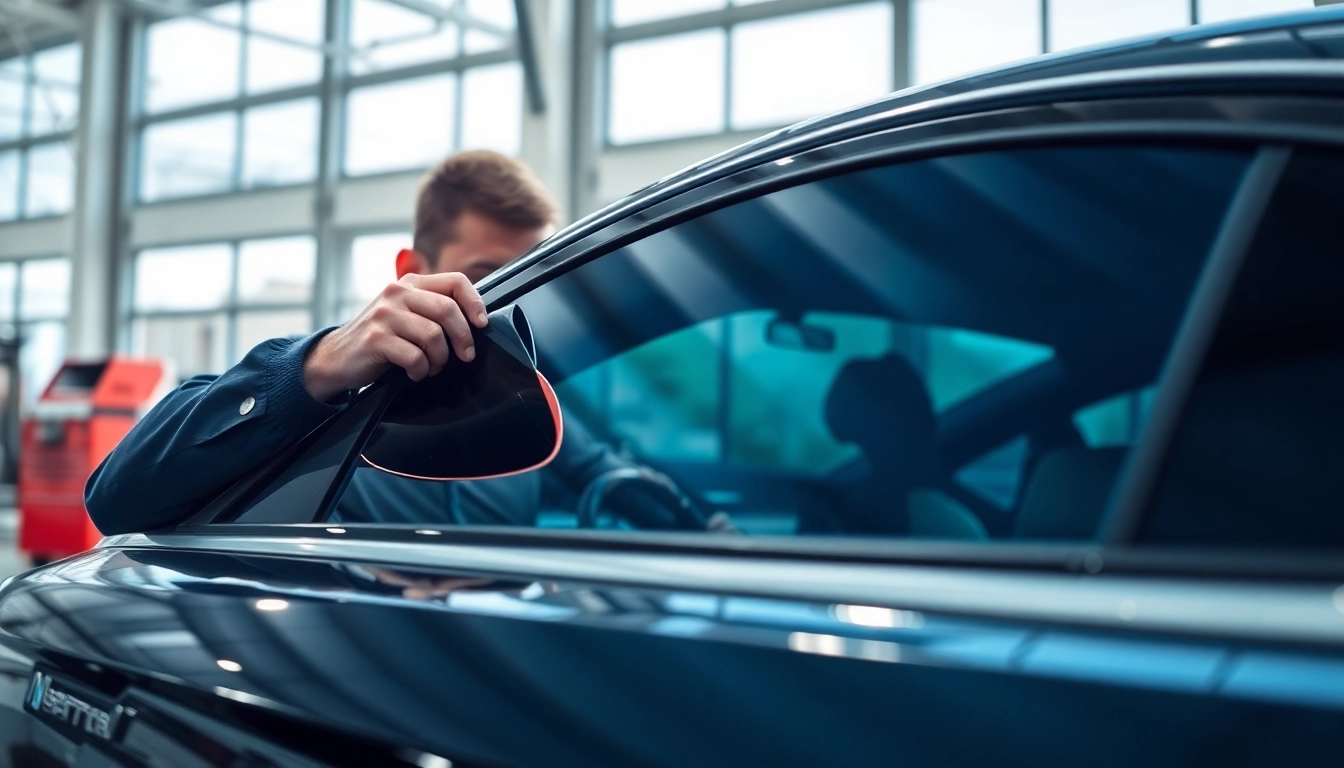
Understanding Window Tinting Basics
What is Window Tinting?
Window tinting is a process that involves the application of a thin film to the windows of vehicles, buildings, or homes to enhance privacy, reduce glare, and improve aesthetic appeal. The tinting film can be made from a variety of materials and comes in different shades and levels of transparency. While it is often associated with cars, window tinting is also popular in residential and commercial spaces for its UV protection and energy-saving benefits.
How Does Window Tint Work?
Window tinting works by utilizing special materials in the film that can absorb, reflect, or limit the penetrating heat and harmful ultraviolet (UV) rays from the sun. The most common materials include dyed polyester films, metalized films that contain fine metallic particles, and advanced ceramic films. By blocking a significant percentage of UV rays and heat, window tinting not only protects occupants but also extends the lifespan of interior furnishings and vehicles.
Benefits of Window Tinting for Vehicles
There are numerous benefits to having window tint installed on your vehicle. First and foremost, it significantly improves comfort by reducing heat buildup in the cabin, especially during hot summer days. Moreover, window tint can enhance glare reduction, which is crucial for safe driving. Additionally, it provides UV protection, which has proven health benefits for drivers, such as reducing the risk of skin cancer. Privacy is another advantage, as tinted windows deter unwanted attention from passersby and potential thieves. Finally, it enhances the vehicle’s aesthetic, giving it a polished and sleek appearance.
Types of Window Tint Available
Dyed vs. Metalized Window Tints
Dyed window tint films involve soaking a layer of plastic in a dye solution that gives it color. This type of tint is primarily used for appearance and privacy, not necessarily for heat rejection. On the other hand, metalized window tints have small particles of metal embedded in the film, which can effectively reject heat and UV rays while providing some shatter resistance. The choice between these two generally depends on personal preference and the desired level of heat rejection.
Carbon and Ceramic Tints Explained
Carbon window tints contain carbon particles that provide a darker shade without relying on metals. They are effective at blocking infrared rays, which can help in maintaining a cooler interior temperature. Ceramic tints are at the top of the spectrum; they offer exceptional durability and heat rejection without interference with electronic devices like GPS and mobile signals. Both carbon and ceramic tints are excellent choices for those seeking advanced performance and longevity.
Choosing the Right Tint for Your Needs
When deciding on the right tint for your vehicle, several factors should be considered. Your primary goal—be it privacy, UV protection, heat rejection, or aesthetic—will guide your choice. Additionally, consider local regulations regarding tint darkness, as some areas have strict enforcement on what is permissible. Lastly, consulting with a professional installer can provide insights based on your vehicle model, usage, and environment.
Factors to Consider When Searching for Window Tint Near Me
Local Regulations on Window Tinting
Before proceeding with window tinting, it’s crucial to familiarize yourself with local laws. Regulations can differ significantly from one state to another, including permissible tint percentages and which windows can be tinted. Non-compliance can lead to fines or mandatory removal of the tint, potentially at a significant cost. Window tint near me will often mention adherence to local rules, allowing you to navigate compliance easily.
Quality of Materials and Installation Services
Selecting high-quality materials is vital for effective window tinting. Poor-quality films can bubble, peel, or degrade over time. It’s also essential that the installation is performed by professionals who are trained and experienced. An improperly installed film can lead to issues like air bubbles and misalignment, which detracts from the aesthetic and functional benefits of window tinting.
Price Comparison and Budget Considerations
The price of window tinting varies widely based on factors such as vehicle type, type of tint, and installation complexity. On average, the cost for a complete window tint can range from $200 to $600. It’s essential to get quotes from multiple service providers and consider the long-term benefits of a higher investment in quality films. While it might be tempting to choose the cheapest option, the longevity and effectiveness of the tint can make it worth stretching your budget.
Maintaining Your Window Tint
Cleaning Tips for Longevity
Maintaining your window tint involves using the right cleaning materials. Avoid ammonia-based cleaners, as they can damage the film. Instead, use a gentle soap solution or a specific tint-friendly cleaner. A microfiber cloth is ideal for preventing scratches during the cleaning process. Cleaning your tints regularly helps maintain their appearance and effectiveness, so make it a habit to clean them at least once a month.
Signs of Wear and When to Replace
Even the highest quality tints can show signs of wear over time. Common indicators include bubbling, peeling, or significant fading. If you notice any of these issues, it’s advisable to consult a professional for an assessment. While quality tints can last up to 10 years, certain conditions or poor installation can shorten their lifespan. When replacement is necessary, opting for a higher-quality film can help avoid similar issues in the future.
Protective Measures After Installation
After installation, it’s essential to take precautions to protect your window tint. Avoid rolling down windows for at least 48 hours, as this allows the tint to adhere properly. Additionally, park in shaded areas or use sunshades to reduce sun exposure, particularly on hotter days. Following these protective measures will extend the life of your tint and ensure optimal performance.
Frequently Asked Questions
1. How long does window tint last?
High-quality window tint can typically last between 5 to 10 years, depending on the type and care it receives.
2. Is window tinting legal in my area?
Legal regulations regarding window tint vary from state to state, so it’s important to check local laws before installation.
3. Can window tint reduce heat in my car?
Yes, window tint effectively blocks UV rays and can significantly reduce heat, making your vehicle more comfortable inside.
4. Will window tinting affect my visibility?
Well-installed window tint should not significantly affect visibility; rather, it can enhance glare reduction for safer driving.
5. How much does window tinting cost?
The cost of window tinting varies but generally ranges from $200 to $600 for a complete vehicle tint package.